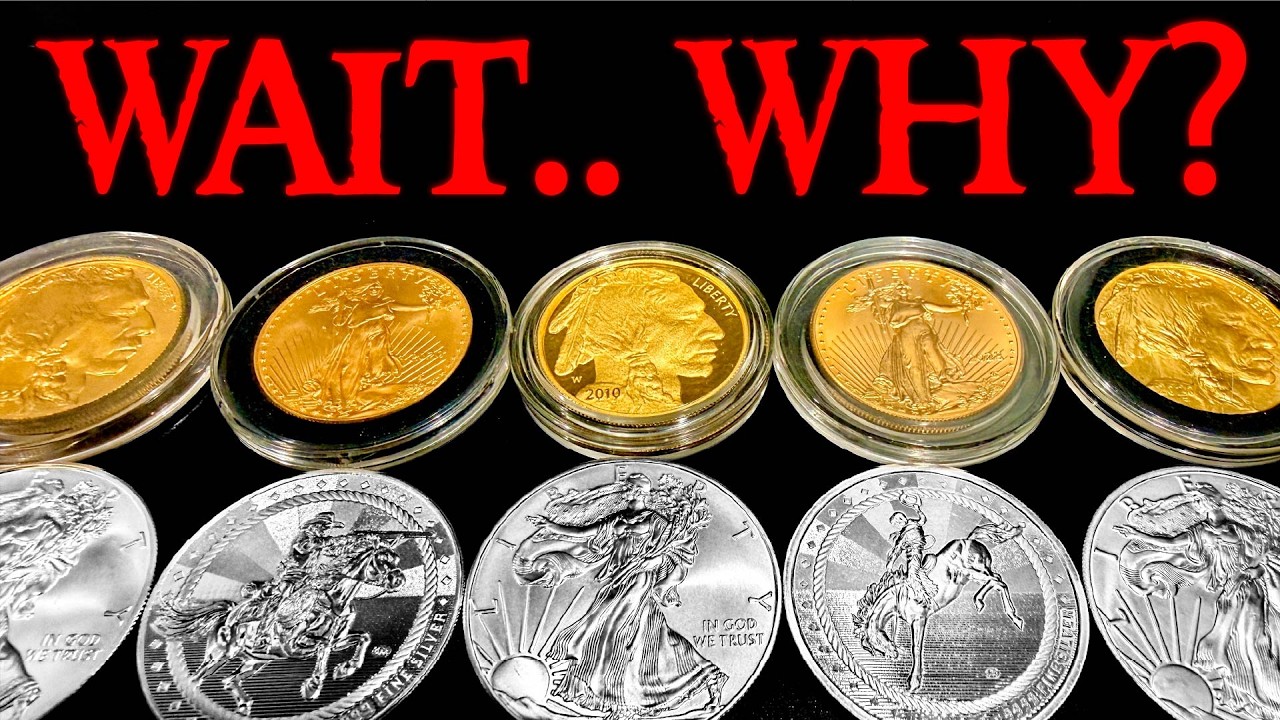
El creador de contenido Panda Stacker ha puesto sobre la mesa una advertencia que va mucho más allá de los gráficos bursátiles y los habituales debates sobre inflación. En su último vídeo titulado 'Lo que Oculta la Nueva Crisis del Diésel', el análisis se sumerge en las entrañas del sector logístico y energético para desenterrar una realidad que los mercados de papel suelen pasar por alto: la extrema vulnerabilidad de las cadenas de suministro basadas en combustibles fósiles pesados y cómo esto afecta directamente al inversor en metales preciosos. Desde TroyRadar, como referentes en análisis cuantitativo y físico, hemos querido desmenuzar esta tesis, separar el ruido de la señal y examinar qué hay de cierto en esta alarma para el ahorrador que acumula onzas en su caja fuerte.
📌 Puntos Clave del Análisis / Key Takeaways
- Tesis Principal: El diésel es el verdadero motor oculto de la economía global; cualquier disrupción en su suministro fractura la cadena industrial y encarece la extracción y transporte de metales.
- Dato / Argumento Clave 1: La escasez de refino y las tensiones geopolíticas estrangulan el transporte pesado, provocando un efecto dominó en el precio final de los bienes industriales y los costes de minería.
- Dato / Argumento Clave 2: Los mercados financieros ignoran la fragilidad energética real, centrados en el precio spot digital mientras el metal físico experimenta tensiones de prima en los distribuidores.
- Conclusión Operativa: Proteger el patrimonio con oro y plata física no es una apuesta especulativa, sino un seguro contra el colapso logístico y monetario.
"El sistema energético mundial camina sobre una cuerda floja que nadie quiere mirar de frente; cuando el diésel flaquea, toda la cadena de suministro, incluida la minería de metales preciosos, se resiente de inmediato."— Panda Stacker, en su tesis audiovisual
El Cuello de Botella Energético: Cuando el Diésel Marca el Ritmo de la Economía Real
Para entender el planteamiento de Panda Stacker hay que abandonar por un momento las cotizaciones de futuros en papel y mirar la maquinaria pesada que mueve el mundo. El diésel no es simplemente un carburante para camiones y tractores; es el fluido vital de la minería a gran escala, de los grandes portacontenedores y de la industria pesada que extrae la materia prima de la tierra. Cuando el suministro de destilados medios flaquea o sus precios se disparan debido a políticas de refino restrictivas o tensiones geopolíticas, el coste marginal de extraer una onza de plata o un gramo de oro se incrementa de forma exponencial. No importa lo que marque el papel en los mercados de futuros; la realidad física de la energía impone su ley en las minas.
En Europa, y particularmente en España, hemos vivido episodios recientes de tensión en el transporte y en los costes logísticos que demuestran la fragilidad del sistema. Las empresas de transporte y distribución operan con márgenes estrechos, y cualquier sobresalto en el gasóleo se traduce instantáneamente en una subida de precios en toda la cadena de valor. Para el inversor en metales físicos, esto significa que el coste de reposición del metal en las tiendas de numismática y distribuidores autorizados no depende exclusivamente de la cotización internacional, sino de los costes reales de transporte, seguridad y fabricación de los lingotes y monedas.
⚡ Oportunidades Destacadas del Mercado (Menor Prima % en Tiendas)
| Producto | Tienda | Precio | Prima % | Fecha Registro |
|---|---|---|---|---|
| Moneda de Oro Krugerrand-1 oz.-Sudáfrica-Varios Años | The Gold House | 3820.81 € | +1.27% | 📅 23 de septiembre de 2026 |
| Moneda de Oro Krugerrand 1 Oz BU – Sudáfrica – EMISIÓN PASADA | La Dobla Bullion | 3804.47 € | +1.34% | 📅 27 de septiembre de 2026 |
| Moneda de Oro 50$ Dollar-USA-1 oz.-American Buffalo-Varios años | The Gold House | 3791.3 € | +1.35% | 📅 24 de septiembre de 2026 |
| Moneda de Plata de 5 Francos Circulada – Francia – 1959 – 1969 | La Dobla Bullion | 18.77 € | +1.62% | 📅 23 de septiembre de 2026 |
| 1879 – 1960 – 1 Bolívar de Plata – VENEZUELA | La Dobla Bullion | 7.66 € | +1.89% | 📅 27 de septiembre de 2026 |
| 1994 – 2009 – 2000 Pesetas / 12 Euros de Plata – ESPAÑA | La Dobla Bullion | 32.03 € | +6.69% | 📅 27 de septiembre de 2026 |
* Consulta la comparativa completa de distribuidores en Cotizaciones Spot en Vivo.
Desmontando el Papel vs. La Realidad Física en los Mostradores
Uno de los mayores aciertos al revisar la tesis del vídeo es conectar los problemas energéticos con el mercado de metales preciosos. Mientras que los especuladores de papel en los mercados de derivados discuten sobre décimas porcentuales y tipos de interés, el inversor que acude a comprar plata física se encuentra con una realidad muy distinta: las primas. Las primas son el reflejo real de la escasez de producto fabricado, refinado y transportado. Cuando la energía se encarece, refinar plata de baja ley o lingotes de gran pureza requiere hornos industriales hambrientos de energía, lo que encarece el producto final independientemente de lo que haga el precio spot en ese momento.
Si echamos un vistazo a las cotizaciones oficiales actuales en TroyRadar, donde el oro cotiza a 120.95 €/g y la plata a 1.81 €/g con un ratio oro/plata (GSR) en 66.82, podemos comprobar que los precios oficiales reflejan una calma relativa en los mercados globales. Sin embargo, esta aparente estabilidad contrasta con los costes operativos crecientes a los que se enfrentan las refinerías y las casas de moneda de todo el mundo. Comprar onzas de plata hoy implica asumir un sobreprecio que compensa toda la cadena logística, desde el pozo minero hasta el mostrador del distribuidor.
Calculadora de Primas y Coste Real de TroyRadar
Comprueba de forma inmediata cuánto estás pagando de sobreprecio real por encima del spot oficial al adquirir tus monedas o lingotes físicos.
Probar Herramienta en Directo →Implicaciones Patrimoniales: Por Qué la Plata Física es el Refugio ante el Colapso Logístico
Ante un escenario donde la energía es cada vez más cara y volátil, la acumulación de activos tangibles adquiere una dimensión completamente distinta. A diferencia de las acciones o los bonos, que dependen de la solvencia de terceros y de cadenas de suministro eléctricas y digitales ininterrumpidas, la plata física es un activo finalista. No requiere electricidad para mantener su valor intrínseco ni depende de un servidor informático para certificar su propiedad. El vídeo de Panda Stacker actúa como un recordatorio necesario sobre la fragilidad de nuestra civilización industrial, donde la energía barata ha sido la norma durante décadas pero empieza a escasear.
Para el ahorrador particular, esto se traduce en una recomendación operativa clara: la diversificación hacia metales físicos no debe verse como una operación de trading a corto plazo, sino como una póliza de seguros patrimonial. La plata, al tener un componente industrial tan masivo —desde la fotovoltaica hasta la automoción—, sufre un doble impacto cuando hay crisis energéticas: por un lado, se encarece su extracción; por otro, la demanda industrial sigue presionando la disponibilidad de stock físico disponible para inversión. Esto genera una tormenta perfecta para aquellos que acumulan onzas de forma constante mediante estrategias de compra recurrente.
Estrategias de Compra y Gestión del Riesgo en Entornos Volátiles
Frente a las alarmas sobre el diésel y la inestabilidad macroeconómica, el inversor prudente no debe caer en el pánico ni en las compras impulsivas de última hora. La mejor forma de capear la volatilidad en el mercado de metales preciosos es la disciplina y el escalonamiento de las compras. Adquirir pequeñas cantidades de forma periódica permite promediar el precio de entrada y mitigar el impacto de las primas elevadas en momentos puntuales de tensión logística. Asimismo, es fundamental elegir formatos que ofrezcan la mejor relación entre precio por gramo y liquidez, como las monedas bullion de una onza (Maple Leaf, Filarmónica o American Eagle) frente a los lingotes excesivamente grandes que reducen la flexibilidad en caso de venta futura.
En definitiva, el análisis aportado por creadores como Panda Stacker nos obliga a mirar más allá del gráfico diario y a conectar los puntos entre la energía, la logística y la riqueza tangible. El oro y la plata no son solo reliquias del pasado, sino los escudos más sólidos en un mundo donde las certezas energéticas se tambalean. Mantener la cabeza fría, auditar el estado real de tus proveedores y asegurar una base sólida de metal físico en posesión directa es la mejor respuesta ante cualquier crisis sistémica que se avecine.
Simulador de Compra Física: ¿Cuánto metal adquieres hoy?
Selecciona o introduce un presupuesto en euros para calcular el metal fino estimado a precios de mercado actuales:
* Estimación orientativa basada en spot en vivo (120.95 €/g oro | 1.81 €/g plata) y primas ponderadas de distribuidores líderes.
Preguntas Frecuentes
¿Cómo afecta exactamente la crisis del diésel al precio de la plata física?
El encarecimiento del diésel encarece directamente la maquinaria de extracción minera, el transporte del mineral bruto y el proceso de refino industrial, lo que eleva el coste final de producción y se refleja en las primas que cobran los distribuidores de metal físico.
¿Es mejor comprar oro o plata en un escenario de crisis energética?
Ambos cumplen funciones complementarias. El oro actúa como reserva de valor monetario puro por su gran valor en poco espacio, mientras que la plata ofrece una alta asimetría gracias a su doble uso como activo monetario y materia prima industrial esencial.
¿Qué papel juegan las primas de los distribuidores en momentos de tensión logística?
Las primas actúan como el termómetro real de la oferta y la demanda física. Cuando la logística se complica y el transporte o el refino se encarecen, las primas sobre el precio spot se amplían considerablemente debido a la escasez de stock disponible para entrega inmediata.
Content creator Panda Stacker has issued a warning that goes far beyond stock market charts and the usual inflation debates. In his latest video titled 'What the New Diesel Crisis Hides', the analysis delves into the depths of the logistics and energy sector to unearth a reality that paper markets routinely overlook: the extreme vulnerability of supply chains based on heavy fossil fuels and how this directly affects the physical precious metals investor. At TroyRadar, as benchmarks in quantitative and physical analysis, we wanted to dissect this thesis, separate noise from signal, and examine the truth behind this alarm for savers building their bullion reserves.
📌 Key Takeaways
- Main Thesis: Diesel is the true hidden engine of the global economy; any disruption in its supply fractures the industrial chain and drives up the cost of extracting and transporting metals.
- Key Data / Argument 1: Refining shortages and geopolitical tensions strangle heavy transport, triggering a domino effect on the final price of industrial goods and mining costs.
- Key Data / Argument 2: Financial markets ignore real energy fragility, focusing on digital spot prices while physical metal experiences premium pressures among dealers.
- Operational Conclusion: Protecting wealth with physical gold and silver is not a speculative bet, but an insurance policy against logistical and monetary collapse.
"The global energy system is walking a tightrope that nobody wants to look straight in the eye; when diesel falters, the entire supply chain, including precious metals mining, suffers immediately."— Panda Stacker, in his audiovisual thesis
The Energy Bottleneck: When Diesel Sets the Pace of the Real Economy
To understand Panda Stacker's argument, one must step away from quotation screens for a moment and look at the heavy machinery that moves the world. Diesel is not merely fuel for trucks and tractors; it is the lifeblood of large-scale mining, massive container ships, and heavy industry that extracts raw materials from the earth. When distillate supplies falter or their prices skyrocket due to restrictive refining policies or geopolitical tensions, the marginal cost of extracting an ounce of silver or a gram of gold increases exponentially. No matter what paper futures markets dictate, the physical reality of energy imposes its law directly at the mines.
Across Europe, we have recently experienced episodes of tension in transport and logistical costs that demonstrate the fragility of the system. Transport and distribution companies operate on tight margins, and any shock to diesel translates instantly into price hikes across the entire value chain. For the physical metal investor, this means that the replacement cost of metal at coin shops and authorized dealers does not depend solely on the international spot price, but on the real costs of transportation, security, and the manufacturing of bullion bars and coins.
Dissecting Paper vs. Physical Reality at the Counter
One of the greatest insights when reviewing the video's thesis is connecting energy problems with the precious metals market. While paper speculators in derivatives markets argue about fractional percentages and interest rates, the investor walking in to buy physical silver encounters a very different reality: premiums. Premiums are the true reflection of the scarcity of manufactured, refined, and transported products. When energy becomes expensive, refining low-grade silver or high-purity bullion requires energy-hungry industrial furnaces, driving up the final product cost regardless of what the spot price does at that moment.
Looking at current official quotes on TroyRadar, where gold trades at €120.95/g and silver at €1.81/g with a Gold/Silver Ratio (GSR) of 66.82, we can see that official prices reflect relative calm in global markets. However, this apparent stability contrasts with the rising operating costs faced by refineries and mints worldwide. Buying silver ounces today means absorbing a surcharge that compensates the entire logistics chain, from the mining pit to the dealer's counter.
TroyRadar Premium & Real Cost Calculator
Check immediately how much real surcharge you are paying above the official spot price when acquiring your physical coins or bullion bars.
Try Live Tool →Wealth Implications: Why Physical Silver is the Refuge Against Logistical Collapse
Facing a scenario where energy is increasingly expensive and volatile, accumulating tangible assets acquires a completely different dimension. Unlike stocks or bonds, which depend on third-party solvency and uninterrupted electrical and digital supply chains, physical silver is a terminal asset. It does not require electricity to maintain its intrinsic value nor does it depend on a computer server to certify ownership. Panda Stacker's video acts as a necessary reminder of the fragility of our industrial civilization, where cheap energy has been the norm for decades but is beginning to run scarce.
For the retail saver, this translates into a clear operational recommendation: diversification into physical metals should not be viewed as a short-term trading operation, but as a wealth insurance policy. Silver, having such a massive industrial component—from photovoltaics to automotive—suffers a dual impact during energy crises: on one hand, extraction costs rise; on the other, industrial demand continues to pressure the availability of physical stock accessible for investment. This creates a perfect storm for those steadily accumulating ounces through recurring purchase strategies.
Buying Strategies and Risk Management in Volatile Environments
Faced with alarms about diesel and macroeconomic instability, the prudent investor must avoid panic and impulsive last-minute purchases. The best way to navigate volatility in the precious metals market is discipline and dollar-cost averaging. Acquiring small quantities periodically allows you to average your entry price and mitigate the impact of high premiums during temporary moments of logistical tension. Likewise, it is essential to choose formats offering the best balance between price-per-gram and liquidity, such as one-ounce bullion coins (Maple Leaf, Philharmonic, or American Eagle) rather than excessively large bars that reduce flexibility in case of future sale.
Ultimately, the analysis provided by creators like Panda Stacker forces us to look beyond daily charts and connect the dots between energy, logistics, and tangible wealth. Gold and silver are not just relics of the past, but the most solid shields in a world where energy certainties are wavering. Keeping a cool head, auditing the real status of your suppliers, and securing a solid foundation of physical metal in direct possession is the best response to any upcoming systemic crisis.
Frequently Asked Questions
How exactly does the diesel crisis affect the price of physical silver?
Rising diesel prices directly increase mining extraction machinery, raw mineral transport, and industrial refining processes, driving up final production costs which are reflected in the premiums charged by physical metal dealers.
Is it better to buy gold or silver in an energy crisis scenario?
Both fulfill complementary roles. Gold acts as a pure monetary store of value due to its high value in a small space, while silver offers high asymmetry thanks to its dual use as a monetary asset and essential industrial raw material.
What role do dealer premiums play during moments of logistical tension?
Premiums act as the true thermometer of physical supply and demand. When logistics become complicated and transport or refining gets expensive, premiums over the spot price widen considerably due to scarce stock available for immediate delivery.