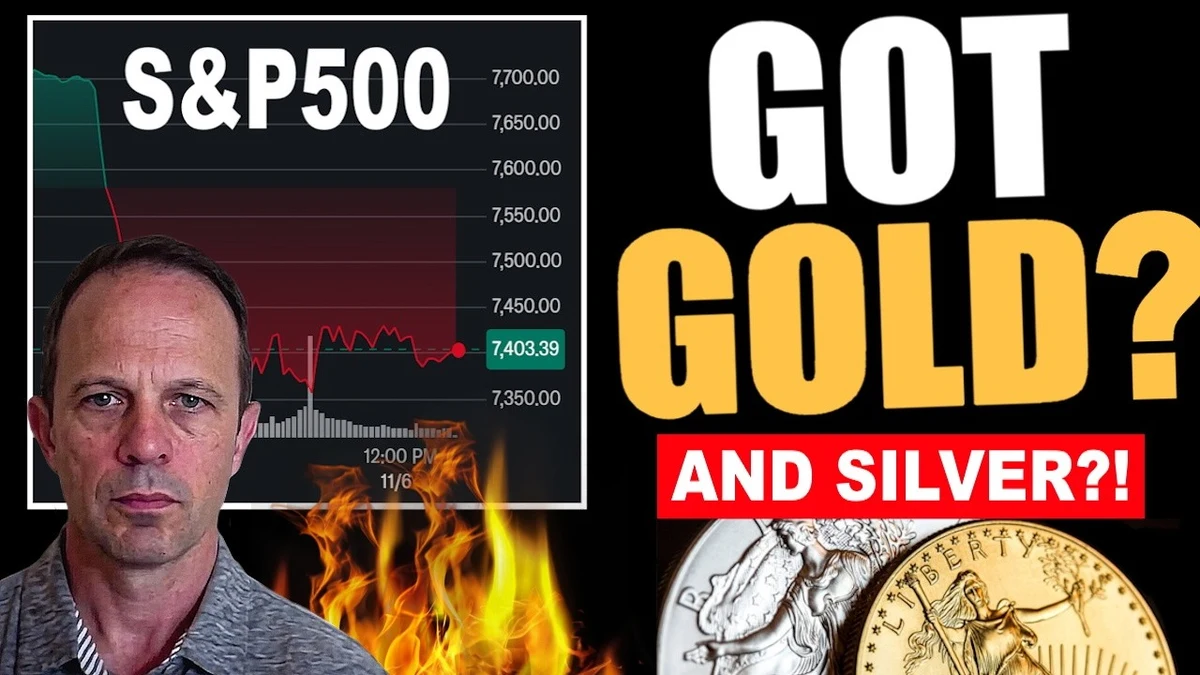
Silver Manipulation Exposed? CME Futures Margins and Judy Shelton
✍️ Analista TroyRadar📅 10 de octubre de 2026⏱️ 10 min read👁️ 53 lecturas
📑Table of Contents
El canal estadounidense Silver Dragons ha vuelto a encender el debate sobre si el mercado de metales preciosos sufre una intervención deliberada. Tras observar cotizaciones elevadas en el mercado derivado, el CME Group decidió recortar los requerimientos de garantía para negociar contratos de futuros de plata y oro, justo después de haberlos disparado cuando el precio subía con fuerza. A este movimiento en las cámaras de compensación se suma la llegada de la economista pro-patrón oro Judy Shelton como asesora del Tesoro estadounidense, un cóctel que muchos inversores interpretan como la antesala de un terremoto monetario. En TroyRadar ponemos la lupa sobre estos hechos para separar el ruido de YouTube de la realidad que afronta quien compra metal físico en Europa.
🟡 Spot Oro de Referencia120.36 €/g
⚪ Spot Plata de Referencia1.75 €/g
⚖️ Ratio Oro / Plata (GSR)68.78 (Ventana Histórica de Valor)
📌 Puntos Clave del Análisis
Tesis Principal: Los ajustes de margen del CME Group no son necesariamente una conspiración secreta, sino un mecanismo regulatorio procíclico que asfixia el apalancamiento en subidas y abarata la especulación en fases laterales.
Dato Clave 1: Las garantías exigidas por CME para la plata pasaron del 9% al 18% en plena escalada alcista y ahora se reducen al 8%, abriendo la puerta a mayor volumen de papel sin que haya cambiado el stock físico disponible en bóvedas.
Dato Clave 2: La incorporación de Judy Shelton al Tesoro devuelve al debate público la emisión de bonos respaldados por oro físico y el contraste con las compras masivas del Banco Popular de China durante 23 meses seguidos.
Conclusión Operativa: Para el ahorrador español y europeo, el ratio oro/plata situado en 68,78 y la brecha del IVA comercial dictan prudencia: acumular plata física mediante compras escalonadas en tubos de 1 oz o recurrir al oro de 120,36 €/g para preservar capital sin fricción tributaria.
"Cuando el precio de la plata subía sin freno a principios de año, subieron las garantías una y otra vez diciendo que frenaban la volatilidad. Solo tras la caída las han vuelto a bajar. Muchos ven esto como una manipulación directa."
— Silver Dragons, en su tesis audiovisual
La mecánica del CME: cómo las garantías de papel alteran el sentimiento
En su intervención, Silver Dragons pone el dedo en una llaga histórica: la relación directa entre las subidas de márgenes de garantía en el COMEX y los frenazos bruscos en las cotizaciones alcistas de la plata. El creador detalla cómo, al inicio del rally, depositar una garantía exigía apenas un 9% del valor del contrato, pero conforme la cotización rompía resistencias técnicas, la cámara de compensación elevó sucesivamente ese requisito hasta alcanzar un asfixiante 18%. Cuando un inversor institucional o un fondo de cobertura ve duplicado el capital requerido para mantener viva su posición larga apalancada, se ve forzado a liquidar contratos o aportar millones de dólares adicionales de la noche a la mañana. Esto provoca ventas masivas en cadena en el mercado de futuros.
Ahora que las aguas se han calmado y la cotización se mueve en un rango más estable, el CME ha recortado las garantías hasta el 8%. Para Silver Dragons, esta bajada abarata la entrada y vuelve a hacer atractiva la especulación. Sin embargo, conviene hacer una distinción técnica fundamental: las cámaras de compensación calculan estos requerimientos mediante modelos de riesgo cuantitativo tipo SPAN, cuyo objetivo formal es blindar al mercado frente a impagos en periodos de volatilidad extrema. No hace falta invocar una confabulación en la sombra para entender el daño real: el diseño del propio sistema financiero de derivados favorece a los intermediarios con balances gigantescos y expulsa a los compradores medianos en el momento exacto en que el precio coge tracción.
Para quien compra monedas o lingotes en Europa, esta dinámica tiene una lectura práctica inmediata. Cuando los derivados de papel corrigen debido a ajustes forzados de garantías, el precio spot cae de golpe, pero las refinerías y tiendas no siempre reducen su precio final con la misma velocidad. Los sobrecostes de fabricación, el transporte y la demanda de metal físico real crean una desconexión: el papel se desploma en Chicago mientras en los mostradores de Madrid, Fráncfort o Zúrich las monedas escasean y sus primas comerciales suben para compensar la falta de oferta inmediata.
💡
Calculadora de Primas sobre Metal Físico
Comprueba al instante qué porcentaje real estás pagando sobre el spot oficial de 1,75 €/g en plata y 120,36 €/g en oro antes de cerrar tu pedido en tienda.
Judy Shelton en el Tesoro: ¿fantasía pro-patrón oro o giro estratégico real?
El segundo gran pilar del vídeo de Silver Dragons analiza el aterrizaje de la prestigiosa economista Judy Shelton como consejera del secretario del Tesoro Scott Bessent. Shelton es conocida internacionalmente por defender postulados de moneda sana y por plantear la emisión de bonos del Tesoro estadounidense vinculados o convertibles en oro físico para restaurar la disciplina presupuestaria. El autor celebra su designación sugiriendo que podría empujar a Washington a replicar las compras estratégicas que Pekín lleva ejecutando durante casi dos años ininterrumpidos.
Desde la óptica analítica de TroyRadar, debemos aplicar un filtro de realismo institucional. Aunque Shelton goza de enorme predicamento entre la comunidad de acumuladores de metal, su rol como asesora no equivale a un cambio unilateral en la política de la Reserva Federal ni a una vuelta repentina al patrón oro de Bretton Woods. La deuda nacional de Estados Unidos ha escalado a niveles donde, como bien calcula el vídeo, respaldar los pasivos federales con las reservas oficiales de Fort Knox exigiría tasar la onza de oro por encima de los 150.000 dólares. Semejante revaluación contable provocaría una devaluación brutal del dólar que la administración estadounidense difícilmente tolerará a corto plazo.
Lo que sí representa el nombramiento de Shelton es un síntoma del cambio de era. Su presencia dentro de los despachos oficiales valida la preocupación global por la pérdida de poder adquisitivo de las divisas fiduciarias. Mientras los bancos centrales de los países emergentes desdolarizan sus reservas y acumulan lingotes de 400 onzas Good Delivery, la narrativa oficial en Occidente ya no puede permitirse ningunear al oro como una reliquia bárbara. El metal vuelve a sentarse a la mesa de las decisiones geopolíticas de primer nivel.
China, desdolarización y la matemática implacable de la deuda
Silver Dragons expone una comparativa demoledora: mientras el Banco Popular de China ha encadenado 23 meses consecutivos reportando adquisiciones de oro para proteger sus reservas de divisas frente a posibles sanciones o devaluaciones, el balance del Tesoro norteamericano permanece estancado en sus reservas históricas sin compras netas significativas. El creador subraya cómo en 1971 bastaban 35 dólares para adquirir una onza troy de oro, frente a los más de 4.100 dólares que se han llegado a registrar en los picos de cotización recientes, demostrando que el oro no cambia: lo que se evapora es el valor intrínseco del papel moneda.
Este argumento es irrebatible desde el punto de vista del ahorro patrimonial a largo plazo. En Europa, donde la inflación acumulada de los últimos cuatro años ha erosionado los depósitos bancarios tradicionales y las rentabilidades de la deuda soberana apenas compensan el coste de la vida real, el oro físico actúa como un ancla patrimonial libre de riesgo de contraparte. Con el spot actual fijado en 120,36 € por gramo, el metal amarillo consolida su función como reserva inembargable frente a la expansión crediticia desenfrenada de los bancos centrales occidentales.
Ojo con caer en el error de pensar que China compra oro para especular en los mercados de futuros. Las compras del gigante asiático se liquidan directamente en metal físico a través de la Bolsa de Oro de Shanghái (SGE), donde los lingotes se retiran físicamente de las cámaras acorazadas. Esta absorción constante de oferta drena el mercado mayorista londinense y suizo, limitando el metal disponible para la industria y los minoristas occidentales, lo que a medio plazo ejerce una presión alcista estructural mucho más potente que cualquier vaivén en los márgenes del CME.
💡
Simulador DCA: Estrategia de Compras Periódicas
Calcula cómo mitigar la volatilidad del spot y optimizar tu precio medio de adquisición programando compras mensuales en lingotes y monedas.
Traducción operativa para el inversor físico: ratio 68,78 y gestión del IVA
Llegamos al terreno práctico: ¿qué debe hacer el inversor que tiene sus ahorros en euros frente a este escenario de márgenes a la baja en Chicago y debates de patrón oro en Washington? El primer indicador al que debemos mirar es el ratio oro/plata oficial, situado en estos momentos en 68,78. Históricamente, un ratio por debajo de 70 empieza a señalar que la plata ha recuperado terreno relativo frente al oro, aunque todavía se mantiene lejos de sus medias históricas de largo plazo situadas en torno a 50 o 60 puntos.
En España y en la mayor parte de los países de la Unión Europea, la inversión en plata física conlleva una fricción fiscal determinante: el Impuesto sobre el Valor Añadido (IVA general del 21% en territorio español). Mientras que el oro de inversión está legalmente exento de IVA en toda la Unión Europea bajo la Directiva 2006/112/CE, cada onza de plata que compras en tienda arrastra un sobreprecio fiscal directo, a lo que hay que sumar un margen comercial de acuñación que suele rondar entre el 15% y el 25%. A un precio spot de 1,75 € por gramo (unos 54,43 € por onza troy), pagar el IVA y la prima exige que la cotización internacional suba más de un 35% únicamente para recuperar lo que ha salido de tu bolsillo.
Por este motivo, la recomendación de TroyRadar para el comprador de a pie es muy clara:
Plata física: Limita tus compras a tubos sellados de 20 o 25 monedas bullion de 1 onza (tipo Filarmónica de Viena o Britannia) para minimizar la prima unitaria, o busca distribuidores que operen bajo regímenes especiales de margen de bienes usados cuando sea legalmente viable. No compres lingotes pequeños de plata debido al impacto desmedido del coste de fundición y el IVA.
Oro físico: Destina el núcleo principal de tu cartera defensiva al oro (monedas soberanas de 1 oz o lingotes certificados de 50 g a 100 g). Al estar exento de IVA y contar con primas en mostrador habitualmente inferiores al 2,5% sobre el spot oficial de 120,36 €/g, te permite entrar y salir del mercado con una pérdida por fricción mínima.
Estrategia de escala: No intentes adivinar si los especuladores del CME van a empujar el precio arriba o abajo la próxima semana. Utiliza compras periódicas mensuales (estrategia DCA) para neutralizar los picos de volatilidad provocados por los cambios de márgenes en los derivados.
🧮
Simulador de Compra Física: ¿Cuánto metal adquieres hoy?
Selecciona o introduce un presupuesto en euros para calcular el metal fino estimado a precios de mercado actuales:
🟡 Oro Físico (prima media ~3,5%)~24.08 g (0.77 oz troy)
⚪ Plata Física (prima + IVA incluido ~22%)~1405.2 g (45.2 oz troy)
* Estimación orientativa basada en spot en vivo (120.36 €/g oro | 1.75 €/g plata) y primas ponderadas de distribuidores líderes.
Preguntas Frecuentes de la Comunidad Inversora
¿Por qué el recorte de márgenes del CME abarata la operativa en futuros?
Al reducir la fianza obligatoria al 8%, los especuladores necesitan inmovilizar menos capital propio para controlar el mismo contrato de 5.000 onzas de plata. Esto atrae mayor volumen de fondos apalancados, lo que suele disparar la liquidez y la volatilidad en el corto plazo.
¿Puede Judy Shelton restablecer el patrón oro en Estados Unidos?
No de forma directa ni a corto plazo. Su nombramiento como consejera del Tesoro le permite influir en el diseño de propuestas financieras, como bonos respaldados por oro, pero una reforma monetaria requeriría la aprobación del Congreso estadounidense y una reestructuración de la Reserva Federal que hoy no cuenta con consenso político.
¿Compensa comprar plata con IVA si creo que el precio va a subir como dice el vídeo?
Depende de tu horizonte temporal. Si tu visión es a más de 5 o 10 años como seguro patrimonial o cobertura contra colapso del sistema fiduciario, asumir el 21% de IVA puede ser asumible. Sin embargo, para plazos más cortos o carteras orientadas a la liquidez, el oro de inversión exento de IVA ofrece una eficiencia operativa incomparablemente superior.
Popular precious metals channel Silver Dragons has reignited the perennial controversy surrounding paper market mechanics and silver price suppression. Following a historic price rally that pushed COMEX futures to fresh heights, CME Group recently lowered collateral margin requirements for both silver and gold. This comes right after aggressive hikes enforced during the peak of the bull run. Simultaneously, sound money champion and gold-backed bond proponent Dr. Judy Shelton has joined the U.S. Treasury as a senior advisor. At TroyRadar, we strip away the YouTube sensationalism to provide physical bullion investors with a quantitative, clear-headed assessment of what these moves actually mean for retail stackers.
🟡 Gold Spot Benchmark120.36 €/g
⚪ Silver Spot Benchmark1.75 €/g
⚖️ Gold / Silver Ratio (GSR)68.78 (Historical Value Window)
📌 Key Takeaways
Core Thesis: CME Group's margin requirement adjustments are institutional risk-management measures that act in a pro-cyclical manner, draining liquidity during rallies and cheapening speculation during consolidation phases.
Key Data Point 1: Margin collateral required to trade COMEX silver contracts jumped from 9% to 18% at the top of the price move before CME slashed it down to 8%, incentivizing speculative paper volume without increasing registered physical vaulted inventory.
Key Data Point 2: Judy Shelton's appointment as counselor to the Treasury brings gold-backed sovereign bonds and sound money doctrine back into the executive branch, contrasting with China's 23-month official bullion buying spree.
Operational Takeaway: With the live Gold/Silver Ratio sitting at 68.78, European and international buyers should separate paper contract swings from physical supply realities, prioritizing physical gold at 120.36 €/g to avoid VAT frictions while acquiring silver coins via disciplined dollar-cost averaging.
"As the price of silver continued to climb, they raised margins to 11%, 15%, and even 18% at the highs... Only after silver crashed did margins start coming down. Some people see this as direct silver price manipulation."
— Silver Dragons, video presentation thesis
The CME Margin Mechanism: Regulatory Risk Control or Price Suppression?
In his video report, Silver Dragons targets a grievance that has frustrated bullion stackers for decades: the deliberate raising of collateral margins by exchange clearinghouses whenever precious metals initiate explosive upward breakouts. As silver broke through previous resistance levels, the CME escalated margin requirements on the 5,000-ounce futures contract from 9% all the way to 18%. When an exchange doubles the initial cash deposit required to hold a leveraged position, funds and institutional traders with tight liquidity parameters are abruptly forced to either wire massive amounts of additional capital or dump long contracts onto the open market. This programmatic liquidation reliably snuffs out bullish momentum.
Now that prices have cooled into an extended trading range, CME has slashed those margins back down to 8%. Silver Dragons frames this as a mechanism that artificially makes trading more enticing after the peak has been broken. While retail commentators frequently view this as direct price tampering, financial market micro-structure reveals a more mechanical, albeit flawed, reality. Clearinghouses rely on automated portfolio risk models (such as SPAN) that automatically ramp up margin calls when historical volatility spikes. The inherent structural flaw of this setup is that it inherently favors mega-banks with immense balance sheets while punishing leveraged long buyers right as momentum accelerates.
For individuals holding physical bullion in their own possession, this divergence between paper mechanics and actual metal is critical. Whenever forced liquidations hit the futures market in Chicago, paper spot prices drop instantly on trading screens. However, mints, refiners, and retail dealers cannot fabricate and ship physical 1 oz coins or 1 kg bars instantaneously. When paper prices tumble, physical retail demand frequently spikes, causing dealer premiums to widen dramatically and offsetting the apparent dip seen on financial news channels.
💡
Bullion Premium Calculator
Calculate the exact percentage markup dealers are charging over live spot prices (1.75 €/g silver and 120.36 €/g gold) before placing your physical metal order.
Judy Shelton Enters the Treasury: Gold Standard Dreams vs. Fiscal Reality
The second central topic examined by Silver Dragons is the strategic appointment of conservative economist Dr. Judy Shelton as an advisor to U.S. Treasury Secretary Scott Bessent. Shelton has been one of the most visible champions of sound money in modern American politics, previously proposing that the United States issue gold-backed Treasury bonds to enforce fiscal discipline and restore long-term confidence in sovereign debt obligations. The video highlights her new mandate to analyze global finance—particularly China's aggressive gold accumulation—and raises the question of whether Washington could finally emulate Beijing's bullion strategy.
At TroyRadar, we believe it is essential to inject institutional realism into this discussion. Having a sound money advocate inside the Treasury building is undeniably a historic milestone for gold proponents, but Shelton does not possess executive authority to overturn the post-1971 fiat architecture. As the video accurately observes, backing the runaway U.S. national debt with official Fort Knox gold reserves would necessitate revaluing the metal above $150,000 per troy ounce. Such a drastic adjustment would trigger an unprecedented collapse in the purchasing power of the U.S. dollar, an outcome that policymakers will resist through every available intervention.
Nevertheless, Shelton's presence is an unmistakable sign of growing monetary anxiety among global policymakers. For decades, Western central banks dismissed physical gold as an unproductive legacy asset while expanding their balance sheets through quantitative easing. Today, as de-dollarization accelerates across international trade corridors and sovereign nations seek neutral reserve assets, physical gold has returned to the forefront of high-level geopolitical strategy.
The Dragon's Vault: China's 23-Month Spree and Debt Devaluation
Silver Dragons highlights an astonishing macro divergence: the People's Bank of China (PBoC) has accumulated official gold reserves for 23 consecutive months, steadily increasing its bullion allocation while divesting from U.S. Treasury paper. To put the multi-decade debasement of fiat currency into perspective, the creator presents the historical trajectory of gold: from $35 per ounce in 1971 to $280 in 2000, and climbing past $4,100 in recent peaks. The physical gold bar itself has not changed in mass or purity; what has eroded continuously is the purchasing power of the fiat currency required to purchase it.
This historical lesson carries profound implications for wealth preservation. In European markets, where persistent inflation has degraded cash balances and sovereign yields barely match the true cost of living, allocated physical gold operates as a permanent counter-weight free from counterparty default risk. Trading at an official TroyRadar spot quote of 120.36 € per gram, physical gold represents an uncompromised hedge against persistent sovereign budget deficits across the Western world.
Furthermore, investors must understand that China does not interact with gold as a speculative derivative instrument. Chinese institutional accumulation flows through physical delivery mechanisms on the Shanghai Gold Exchange (SGE), pulling tangible bars out of Western vault hubs like London and Zurich into sovereign domestic custody. This structural drain on physical supply steadily reduces available floating inventory, establishing a floor under bullion valuations that futures margin adjustments can only suppress temporarily.
💡
Dollar-Cost Averaging (DCA) Simulator
Simulate how regular, disciplined bullion acquisitions smooth out paper volatility spikes and optimize your average entry price across market cycles.
Strategic Playbook for Physical Stackers: GSR at 68.78 and Tax Efficiency
Translating these global developments into practical capital allocation requires rigorous attention to transaction costs and market ratios. The live Gold/Silver Ratio (GSR) currently registers at 68.78. When the ratio trades below 70, silver has clawed back notable strength relative to gold, although it remains comfortably above historical monetary benchmarks where the ratio compressed between 16 and 40 to 1.
For European and international stackers, physical silver involves an inescapable friction that paper traders routinely overlook: consumption taxes. In jurisdictions across continental Europe, physical silver attracts Value Added Tax (standard 21% in Spain), alongside dealer fabrication premiums that range between 15% and 25% over spot. At a spot price of 1.75 € per gram (~54.43 € per troy ounce), an individual buying silver bars must absorb up to a 35% total markup simply to take delivery, requiring a massive spot rally just to break even on an exit trade.
In contrast, investment-grade gold bullion is legally exempt from VAT across the European Union under Directive 2006/112/EC. With retail dealer premiums on 1 oz gold coins typically trading between 1.8% and 3.5% over the live spot price of 120.36 €/g, physical gold represents the mathematically superior vehicle for capital preservation and high liquidity.
Silver Allocation: Focus strictly on standard 1 oz sovereign bullion coins (such as Austrian Philharmonics or British Britannias) packed in mint tubes of 20 or 25 to secure the lowest per-ounce dealer margin. Avoid fractional silver bars, where manufacturing surcharges heavily degrade your capital.
Gold Allocation: Maintain the dominant share of your precious metals portfolio in 1 oz sovereign coins or certified 50 g to 100 g minted bars. The absence of VAT and razor-thin buy/sell spreads make gold the primary defensive foundation for private wealth.
Execution Discipline: Ignore short-term paper margin adjustments on the COMEX. Build your bullion reserves steadily through monthly dollar-cost averaging, ensuring that paper contract volatility works in your favor over multi-year horizons.
🧮
Physical Bullion Allocation Calculator
Select or enter an investment budget to see estimated fine ounces and grams at live retail premiums:
🟡 Fine Gold (~3.5% avg retail premium)~24.08 g (0.77 oz troy)
⚪ Fine Silver (VAT + premium included)~1405.2 g (45.2 oz troy)
* Estimación orientativa basada en spot en vivo (120.36 €/g oro | 1.75 €/g plata) y primas ponderadas de distribuidores líderes.
Frequently Asked Questions
Why does CME margin reduction encourage futures speculation?
Lowering margin requirements to 8% means traders need significantly less cash collateral to control a standard 5,000-ounce silver contract. This increases purchasing power and encourages speculative leverage, driving higher trading volumes on paper exchanges.
Can Judy Shelton unilaterally implement a gold standard in the U.S.?
No. While she serves as an influential Treasury advisor advocating for gold-linked bonds, any structural monetary reform or redefinition of currency backing requires Congressional legislation and coordination with the Federal Reserve.
How should European stackers manage VAT when buying silver bullion?
Given that standard VAT adds approximately 21% to silver purchases in countries like Spain, investors should prioritize 1 oz sovereign legal tender coins sold under margin scheme rules where available, or allocate predominantly to VAT-exempt gold bullion to maximize net capital efficiency.
Utilizamos cookies propias y de terceros para asegurar el correcto funcionamiento de TroyRadar y guardar
tus preferencias de tema visual. Al continuar navegando, aceptas su uso legal.
⚡
Nuevos precios disponiblesHay cotizaciones actualizadas en el comparador.