Silver in 2026: Dealer Reaction to Multi-Month Price Lows
✍️ Analista TroyRadar📅 16 de octubre de 2026⏱️ 9 min read👁️ 80 lecturas
📑Table of Contents
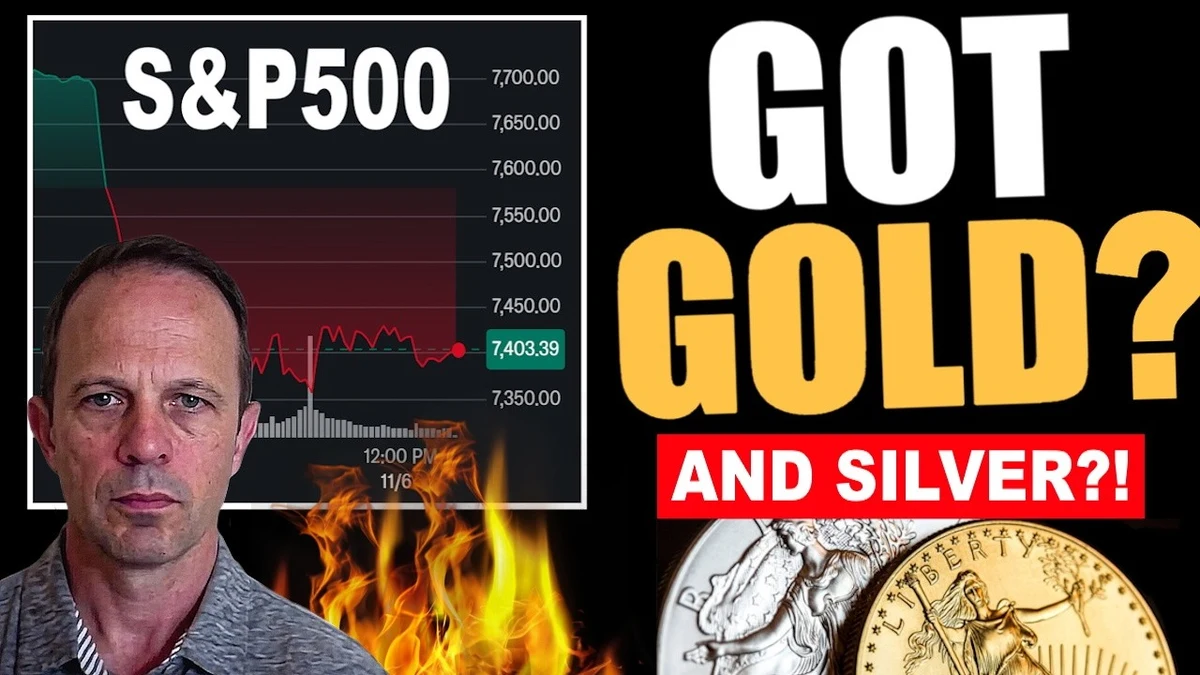
El canal de referencia Silver Dragons ha vuelto a encender los ánimos en la comunidad de pequeños inversores con una pieza reciente centrada en el comportamiento del metal gris de cara a este año. El vídeo, titulado «Dealer Reacts to Silver Price Hitting Lowest Level in 2026», plantea un debate directo entre lo que marcan las pantallas de futuros y la realidad cotidiana de quien compra y vende metal físico en el mostrador. Lejos de dejarnos llevar por el alarmismo que suele imperar en las plataformas de vídeo, desde la mesa de análisis de TroyRadar hemos querido diseccionar este contenido para entender qué hay de cierto, qué hay de exageración comercial y cómo debe actuar el ahorrador de a pie en este escenario.
🟡 Spot Oro de Referencia119.06 €/g
⚪ Spot Plata de Referencia1.63 €/g
⚖️ Ratio Oro / Plata (GSR)73.04 (Ventana Histórica de Valor)
📌 Puntos Clave del Análisis / Key Takeaways
Tesis Principal: La caída de la plata a mínimos del año en curso genera una disonancia brutal entre los mercados de papel y el suministro real de lingotes y monedas.
Dato / Argumento Clave 1: El canal destaca cómo los inversores particulares reaccionan de forma opuesta a los grandes fondos: mientras el papel baja, el apetito por la plata física se dispara.
Dato / Argumento Clave 2: Se analiza el impacto de las primas de los distribuidores cuando el precio spot cae bruscamente, evidenciando que el metal físico nunca baja al mismo ritmo que el papel.
Conclusión Operativa: El inversor europeo no debe mirar tanto el gráfico diario como la disponibilidad real de producto y los costes de adquisición en su tienda de confianza.
"Cuando el precio en el gráfico baja de golpe, lo primero que ocurre en la calle no es una rebaja proporcional en tu moneda o lingote favorito, sino un ajuste en el stock disponible."
— Silver Dragons, en su tesis audiovisual
El abismo entre el gráfico de papel y el mostrador de plata física
Cada vez que un creador de contenido con la trayectoria de Silver Dragons publica una reacción a una caída de precios, se desata una oleada de consultas en los foros y grupos de inversores. La tesis central del vídeo gira en torno a esa desconexión crónica que sufrimos los compradores de metal físico. Mientras que los mercados de derivados en Londres o Nueva York marcan precios mínimos para el año, el inversor que acude a adquirir una caja de monedas de una onza comprueba rápidamente que el precio de venta al público no cae en la misma proporción. Esta asimetría no es casualidad; responde a los costes de acuñación, distribución, seguridad y, sobre todo, a la escasez de planchas listas para fabricar producto de inversión.
En el mercado europeo y español, esta realidad se vive con especial intensidad. Con un spot de la plata situado hoy en 1.63 € el gramo, y un ratio oro/plata que ronda los 73.04 puntos, el inversor se encuentra ante un escenario donde la plata sigue mostrando un descuento histórico frente al oro (cuyo spot cotiza a 119.06 € el gramo), pero adquirirla requiere asumir primas que los distribuidores profesionales mantienen firmes. El creador del vídeo pone el foco en cómo los pequeños compradores interpretan esta bajada como una ventana de oportunidad única, un argumento con el que coincidimos plenamente desde nuestra perspectiva analítica, siempre y cuando se entiendan las reglas del juego comercial.
La reacción del distribuidor ante un mercado bajista no es regalar el metal, sino proteger sus márgenes operativos ante la avalancha de demanda que suele provocar el pánico comprador o el optimismo de los cazadores de gangas. Cuando el precio cae, la demanda física de monedas como la Filarmónica de Viena, el American Eagle o la Maple Leaf se dispara de manera exponencial. Los mayoristas lo saben y ajustan los inventarios, lo que impide que el consumidor final disfrute plenamente de la caída teórica que refleja el gráfico de futuros en las pantallas de los especuladores.
💡
Calculadora de Primas y Coste Real TroyRadar
Comprueba de forma inmediata cuánto estás pagando de sobreprecio real sobre el precio spot actual de 1.63 €/g antes de cerrar tu próxima compra física.
¿Oportunidad de acumulación o trampa para el inversor impaciente?
Uno de los aspectos más interesantes que sobrevuelan el análisis de Silver Dragons es el perfil psicológico del comprador de plata. A diferencia del inversor institucional, que busca rentabilidades trimestrales y utiliza complejos productos apalancados, el seguidor de este tipo de canales suele adoptar una estrategia de acumulación a largo plazo, entendiendo el metal como un seguro patrimonial frente a la devaluación monetaria. Cuando el precio marca mínimos anuales, el instinto básico del ahorrador novato es dudar, temiendo que la caída continúe indefinidamente hasta tocar fondos desconocidos.
Sin embargo, la experiencia acumulada en los mostradores europeos nos enseña una lección muy distinta. Las caídas bruscas en el precio spot de la plata suelen ser temporales, impulsadas por liquidaciones técnicas en los mercados de futuros o por la fortaleza puntual del dólar estadounidense. Para el inversor europeo, que opera en euros, las fluctuaciones de la divisa añaden una capa extra de complejidad que debe ser tenida en cuenta. Si el euro se debilita frente al dólar, el impacto de una caída del spot en origen se amortigua notablemente en nuestra moneda local, protegiendo en parte el valor intrínseco de nuestras tenencias.
Por tanto, calificar este movimiento como el 'nivel más bajo en 2026' debe servir única y exclusivamente para evaluar la salud de nuestra cartera y valorar si disponemos de liquidez para realizar compras escalonadas. El error más grave que puede cometer un inversor particular es destinar todo su capital en un único punto de precio bajo la falsa ilusión de haber encontrado el suelo absoluto del mercado. La disciplina del promedio de coste (DCA) sigue siendo la herramienta más eficaz para lidiar con la volatilidad endémica de la plata, un metal que históricamente se comporta como un activo de alta beta en comparación con el oro.
El papel del Ratio Oro/Plata en la estrategia patrimonial actual
Al analizar la situación de la plata en el contexto actual, es obligatorio mirar de reojo al hermano mayor del complejo de metales preciosos. Con un ratio oro/plata situado en 73.04, nos encontramos en una zona que históricamente ha favorecido la adquisición de plata frente al oro para aquellos inversores que buscan un mayor potencial de revalorización a largo plazo. Aunque este ratio ha experimentado oscilaciones notables en los últimos años, alejándose de los picos históricos cercanos a 100 vividos en momentos de máxima tensión financiera, sigue reflejando una infravaloración estructural de la plata en términos relativos.
El autor del vídeo alude indirectamente a esta relación de intercambio cuando discute sobre qué metal ofrece mejor valor en momentos de corrección de precios. Para el inversor particular en España y el resto de la eurozona, la decisión de decantarse por lingotes de oro de 1 oz o por tubos de monedas de plata de 1 oz debe basarse estrictamente en su capacidad de almacenamiento, su horizonte temporal y su tolerancia al riesgo. La plata, debido a su menor valor unitario, requiere un espacio físico considerablemente mayor para almacenar una cantidad equivalente de capital en comparación con el oro, un factor logístico que muchos inversores novatos pasan por alto hasta que reciben su primer pedido en casa.
Además, no podemos obviar el tratamiento fiscal que afecta a ambos metales en nuestro entorno geográfico. Mientras que el oro de inversión está exento de IVA en la Unión Europea, la plata está gravada con el tipo general de IVA en la mayoría de países europeos (con excepciones logísticas como las compras a través de puertos francos o regímenes especiales de margen que algunos distribuidores implementan). Esto significa que al comprar plata física, el inversor parte de una desventaja teórica inicial del 21% en España, lo que exige un recorrido alcista mucho mayor en el precio spot para alcanzar el punto de equilibrio. Comprender esta realidad fiscal es mil veces más útil que obsesionarse con la fluctuación diaria que comentan los canales de YouTube.
💡
Simulador de Cartera y Balance de Metales TroyRadar
Calcula el porcentaje óptimo de oro y plata en tu patrimonio según tu perfil de riesgo y comprueba el impacto real del ratio actual de 73.04.
Recomendaciones operativas para el comprador físico en este escenario
Llegados a este punto, la pregunta que se hace cualquier inversor responsable es qué debe hacer exactamente con su dinero. Tras analizar la reacción del mercado que nos trae Silver Dragons y contrastarla con las cotizaciones reales del oro a 119.06 €/g y la plata a 1.63 €/g, desde TroyRadar establecemos una serie de pautas operativas claras para el mercado físico. En primer lugar, desconfíe de las compras impulsivas motivadas por titulares catastrofistas; el mercado de metales preciosos recompensa la paciencia metódica y castiga duramente la impaciencia.
En segundo lugar, priorice siempre la adquisición de monedas bullion de curso legal reconocidas internacionalmente (como Maple Leaf, Britannia o Philharmonic) frente a lingotes de plata de menor tirada o barras sin certificación de refinerías acreditadas por la LBMA. Aunque las primas iniciales puedan parecer ligeramente superiores en estas monedas, su liquidez en el mercado secundario cuando decida vender compensa con creces el pequeño sobreprecio pagado en el momento de la compra. El mercado de segunda mano valora la trazabilidad y la seguridad por encima de cualquier otro factor.
Finalmente, mantenga una estrategia de compras periódicas y asegúrese de contar con un sistema de almacenamiento seguro que garantice la privacidad y la integridad física de su patrimonio. La bajada de la plata a estos niveles en 2026 no es el fin del mundo ni el inicio de un colapso definitivo, sino una fase más dentro del ciclo natural de los activos tangibles. Utilice las herramientas analíticas de nuestra plataforma para calcular con precisión milimétrica el valor de sus adquisiciones y mantenga siempre el control absoluto de su soberanía financiera.
🧮
Simulador de Compra Física: ¿Cuánto metal adquieres hoy?
Selecciona o introduce un presupuesto en euros para calcular el metal fino estimado a precios de mercado actuales:
🟡 Oro Físico (prima media ~3,5%)~24.35 g (0.78 oz troy)
⚪ Plata Física (prima + IVA incluido ~22%)~1508.6 g (48.5 oz troy)
* Estimación orientativa basada en spot en vivo (119.06 €/g oro | 1.63 €/g plata) y primas ponderadas de distribuidores líderes.
Preguntas Frecuentes
¿Por qué la plata física no baja al mismo ritmo que el precio spot en pantalla?
El precio spot refleja contratos de papel en mercados de futuros. El precio físico incluye costes de acuñación, distribución, márgenes del distribuidor y, sobre todo, una demanda real que a menudo supera la oferta disponible de producto terminado, impidiendo que el precio en tienda caiga en la misma proporción.
¿Es mejor comprar oro o plata con el ratio actual de 73.04?
Un ratio de 73.04 indica que la plata se mantiene históricamente barata frente al oro. Sin embargo, debe tener en cuenta que la plata soporta tipos impositivos como el IVA en la mayoría de países europeos y requiere mucho más espacio físico de almacenamiento para una inversión equivalente.
¿Cómo afecta el tipo de cambio del euro al precio de la plata en España?
Dado que la plata cotiza internacionalmente en dólares estadounidenses, las fluctuaciones del tipo de cambio EUR/USD amortiguan o amplifican las variaciones del precio spot para el inversor europeo, haciendo que el precio local en euros no varíe exactamente igual que en el mercado americano.
The prominent channel Silver Dragons has once again stirred up the retail investor community with a recent release focusing on the grey metal's price action as we move through 2026. Entitled «Dealer Reacts to Silver Price Hitting Lowest Level in 2026», the video sparks a direct debate between electronic paper markets and the everyday reality of buying and selling physical bullion across the counter. Eschewing the sensationalism that often plagues video platforms, our analytical desk at TroyRadar has dissected this content to separate genuine market signals from marketing hype and guide everyday savers in this environment.
🟡 Gold Spot Benchmark119.06 €/g
⚪ Silver Spot Benchmark1.63 €/g
⚖️ Gold / Silver Ratio (GSR)73.04 (Historical Value Window)
📌 Key Takeaways
Main Thesis: Silver dropping to annual lows creates a sharp disconnect between derivative paper markets and the tight physical supply of bars and coins.
Key Data / Argument 1: The channel highlights how retail investors move inversely to large funds: when paper prices drop, retail appetite for physical silver surges.
Key Data / Argument 2: Dealer premiums are scrutinized during sharp spot price drops, proving that physical metal never falls at the exact same pace as screen quotes.
Operational Conclusion: European investors should focus less on daily chart ticks and more on actual product availability and acquisition costs at trusted local dealers.
"When the chart price drops sharply, the first thing that happens on the street is not a proportional discount on your favorite coin or bar, but an immediate adjustment in available stock."
— Silver Dragons, in their audiovisual thesis
The Chasm Between Paper Charts and the Physical Silver Counter
Whenever a veteran content creator like Silver Dragons publishes a price drop reaction, it triggers a wave of discussions across investor forums and chat groups. The video's core premise revolves around the chronic disconnect experienced by physical buyers. While derivatives markets in London or New York print annual lows, everyday investors walking in to buy a tube of one-ounce coins quickly realize that retail selling prices do not fall by the same magnitude. This asymmetry is no accident; it stems from minting costs, secure logistics, retail distribution overhead, and most importantly, the scarcity of ready-to-strike blanks for investment products.
Across the European and Spanish market, this dynamic is felt with distinct intensity. With spot silver currently trading at €1.63 per gram, and the gold-to-silver ratio hovering around 73.04 points, investors face an environment where silver continues to display a historical discount relative to gold (whose spot sits at €119.06 per gram). Yet, acquiring that silver requires absorbing retail premiums that professional dealers hold firmly in place. The video's creator focuses heavily on how retail buyers view this pullback as a generational entry window—an analytical perspective we fully share, provided the commercial rules of the game are properly understood.
A dealer's reaction to a bear market is never to give away metal, but rather to protect operational margins against the surges in demand typically sparked by panic buying or bargain hunting. When prices slide, retail demand for sovereign bullion coins like the Vienna Philharmonic, American Eagle, or Canadian Maple Leaf skyrockets exponentially. Wholesalers recognize this behavior and tighten inventories, preventing the end consumer from fully enjoying the theoretical drop reflected on speculators' screen charts.
💡
TroyRadar Premium & Real Cost Calculator
Instantly calculate exactly how much real markup you are paying over the current spot price of €1.63/g before locking in your next physical purchase.
Accumulation Opportunity or Trap for Impatient Investors?
One of the most compelling undertones in Silver Dragons' analysis is the psychological profile of the retail silver buyer. Unlike institutional investors seeking quarterly alpha via complex leveraged instruments, followers of this niche typically adopt long-term accumulation strategies, treating bullion as wealth insurance against currency degradation. When prices print annual lows, the novice saver's basic instinct is hesitation, fearing that the correction will plunge indefinitely toward uncharted bottoms.
However, hard-earned experience across European retail counters teaches a vastly different lesson. Sharp drops in spot silver are routinely temporary, driven by technical liquidations in futures pits or fleeting US dollar strength. For European investors operating in euros, currency fluctuations add an extra layer of complexity that must be factored in. If the euro weakens against the dollar, the domestic impact of a spot drop at the source is noticeably cushioned in our local currency, helping preserve the intrinsic purchasing power of our holdings.
Therefore, labeling this price movement as 'the lowest level in 2026' should serve strictly as a prompt to audit portfolio health and evaluate available dry powder for staged purchases. The gravest error a retail investor can make is deploying all their capital at a single low price point under the illusion of hitting the absolute market bottom. Dollar-cost averaging (DCA) remains the most reliable tool to navigate silver's endemic volatility—a metal that historically behaves as a high-beta asset compared to gold.
The Role of the Gold/Silver Ratio in Modern Wealth Strategy
Analyzing silver's position within today's macro backdrop forces us to examine its relationship with the premier yellow metal. With the gold-to-silver ratio positioned at 73.04, we reside in a historical zone that has traditionally favored allocating capital toward silver over gold for investors seeking maximum long-term upside potential. Although this ratio has experienced notable swings in recent years—pulling away from the historic highs near 100 witnessed during maximum financial stress—it still reflects structural undervaluation for silver on a relative basis.
The video's author indirectly touches upon this exchange rate dynamic when discussing which metal offers superior value during price corrections. For retail investors in Spain and across the eurozone, choosing between 1 oz gold bars or 1 oz silver coin tubes must be dictated strictly by physical storage capacity, time horizon, and risk tolerance. Silver, due to its lower unit value, demands considerably more physical space to store an equivalent amount of capital compared to gold—a logistical factor many novice buyers overlook until their first home delivery arrives.
Furthermore, we cannot ignore the tax treatment affecting both metals across our geographic footprint. While investment gold enjoys a complete VAT exemption throughout the European Union, physical silver is subject to standard VAT rates in most European jurisdictions (barring specific logistical exceptions like freeport storage or special margin schemes employed by select dealers). This implies that when buying physical silver, European investors start at a theoretical initial disadvantage in domestic tax terms, demanding a much stronger spot price rally to break even. Grasping this fiscal reality is infinitely more valuable than obsessing over the daily chart noise highlighted on video channels.
💡
TroyRadar Portfolio & Metal Balance Simulator
Calculate your optimal gold and silver portfolio allocation based on your risk profile and verify the real impact of today's 73.04 ratio.
Operational Guidelines for the Physical Buyer in This Environment
At this juncture, the question every responsible investor asks is what actions to take with their capital. Having analyzed the market reaction brought to light by Silver Dragons and contrasted it with live spot quotes of gold at €119.06/g and silver at €163/kg (scaled to €1.63/g), TroyRadar establishes several clear operational guidelines for physical buyers. First, disregard impulsive purchases driven by catastrophic headlines; the precious metals market rewards methodical patience and harshly punishes impatience.
Second, always prioritize globally recognized sovereign bullion coins (such as the Maple Leaf, Britannia, or Philharmonic) over lower-run silver bars or uncertified products from unknown refineries. Even if initial premiums appear slightly higher on these sovereign coins, their superior secondary market liquidity when you eventually decide to liquidate easily compensates for the modest upfront markup. The secondary market values traceability and security above all else.
Finally, maintain a disciplined schedule of periodic purchases and ensure you have secure storage arrangements guaranteeing the privacy and physical integrity of your assets. Silver sliding to these levels in 2026 is neither the end of the world nor the start of a terminal collapse, but rather another standard phase within the natural cycle of tangible assets. Use our platform's analytical tools to calculate your acquisition values with pinpoint accuracy and maintain total control over your financial sovereignty.
🧮
Physical Bullion Allocation Calculator
Select or enter an investment budget to see estimated fine ounces and grams at live retail premiums:
🟡 Fine Gold (~3.5% avg retail premium)~24.35 g (0.78 oz troy)
⚪ Fine Silver (VAT + premium included)~1508.6 g (48.5 oz troy)
* Estimación orientativa basada en spot en vivo (119.06 €/g oro | 1.63 €/g plata) y primas ponderadas de distribuidores líderes.
Frequently Asked Questions
Why doesn't physical silver drop at the same pace as screen spot prices?
Spot prices reflect paper contracts in futures exchanges. Physical prices incorporate minting overhead, distribution costs, dealer markups, and actual retail demand that frequently outpaces available finished product supply, preventing retail store prices from falling proportionally.
Is it better to buy gold or silver with the current 73.04 ratio?
A 73.04 ratio indicates silver remains historically inexpensive relative to gold. However, buyers must factor in that silver incurs standard VAT in most European countries and requires significantly more physical storage space for an equivalent cash investment.
How do euro exchange rate movements affect silver prices in Spain?
Since silver trades globally in US dollars, EUR/USD exchange rate fluctuations cushion or amplify spot price variations for European investors, meaning local euro prices do not mirror American market swings on a 1:1 basis.
Utilizamos cookies propias y de terceros para asegurar el correcto funcionamiento de TroyRadar y guardar
tus preferencias de tema visual. Al continuar navegando, aceptas su uso legal.
⚡
Nuevos precios disponiblesHay cotizaciones actualizadas en el comparador.