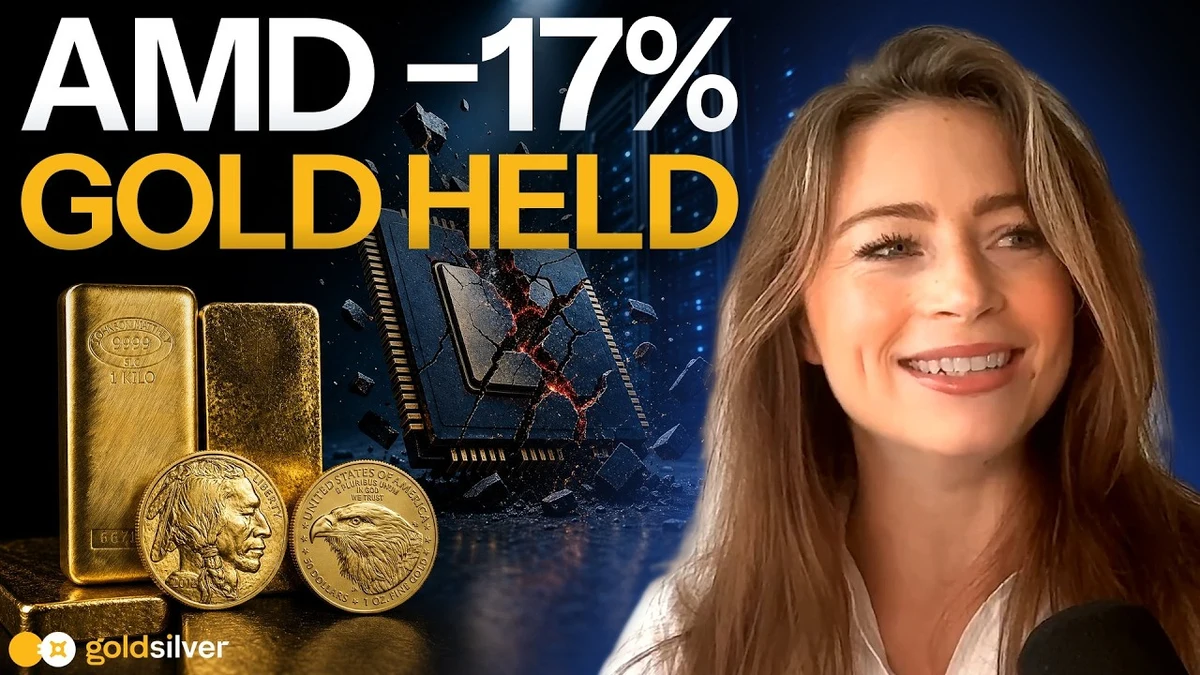
Gold Defies Inflation: Why the Fed No Longer Controls Precious Metals
✍️ Analista TroyRadar📅 18 de octubre de 2026⏱️ 10 min read👁️ 58 lecturas
📑Table of Contents
El canal de divulgación financiera Dragón Oro Plata ha puesto sobre la mesa una realidad incómoda para los bancos centrales: el oro físico ha dejado de bailar al son exclusivo de los tipos de interés de la Reserva Federal. Mientras el discurso oficial insiste en que las subidas de tipos frenarían el apetito por los metales preciosos al elevar el coste de oportunidad, la cotización real en tienda y el valor del lingote en mano demuestran exactamente lo contrario. Con el gramo de oro marcando 119,19 €/g en las cotizaciones directas de TroyRadar y una plata defendiendo los 1,63 €/g, la desconexión entre la política monetaria de papel y la demanda de metal contante y sonante es más evidente que nunca.
🟡 Spot Oro de Referencia119.19 €/g
⚪ Spot Plata de Referencia1.63 €/g
⚖️ Ratio Oro / Plata (GSR)73.12 (Ventana Histórica de Valor)
📌 Puntos Clave del Análisis
Tesis Principal: El oro físico ha roto la correlación clásica con los tipos de interés reales de Estados Unidos; la pérdida de credibilidad de la Fed y el apetito institucional global impulsan su valor al margen de las decisiones en Washington.
Dato Clave 1: A 119,19 € por gramo de oro fino, el metal cotiza en máximos históricos en euros, castigando con fuerza el poder adquisitivo del ahorrador europeo que mantiene liquidez bancaria estancada.
Dato Clave 2: El ratio oro/plata se sitúa en 73,12 puntos, un nivel que históricamente señala un rezago de la plata y anticipa rotaciones estratégicas hacia el metal blanco para quienes buscan maximizar onzas por euro invertido.
Conclusión Operativa: Menos contratos de futuros y más metal en mano. El inversor debe vigilar el sobreprecio real en mostrador, priorizando monedas de alta liquidez frente a productos con primas sobredimensionadas.
"La Reserva Federal puede manipular los tipos de interés en el corto plazo, pero no puede imprimir onzas de oro. Cuando la inflación se vuelve estructural, el metal amarillo deja de pedirle permiso a Jerome Powell para proteger el poder adquisitivo."
— Dragón Oro Plata, en su tesis audiovisual
La desconexión histórica: por qué los tipos altos ya no hunden el oro
Durante décadas, los manuales tradicionales de finanzas enseñaron una regla aparentemente inquebrantable: si la Reserva Federal sube los tipos de interés y el rendimiento de los bonos del Tesoro estadounidense sube, el oro debería caer con fuerza. La lógica era sencilla: el oro no paga dividendos ni cupones, por lo que unos tipos de interés altos encarecen mantener lingotes en caja fuerte frente a la deuda pública respaldada por el gobierno de Estados Unidos. Sin embargo, el análisis planteado por Dragón Oro Plata subraya cómo este ciclo ha dinamitado ese principio. Hemos vivido subidas de tipos agresivas y, lejos de hundirse, el metal precioso ha perforado techos históricos en prácticamente todas las divisas fiduciarias, empezando por el euro.
La clave de esto es que los inversores internacionales y los propios bancos centrales ya no compran oro mirando la rentabilidad nominal de un bono a tres meses. Compran oro mirando el riesgo sistémico de una deuda desbocada que supera los 34 billones de dólares en Estados Unidos y que crece a un ritmo insostenible en el sur de Europa. Cuando el ahorrador de a pie acude hoy a un distribuidor o tienda de numismática en Madrid, Barcelona o Valencia, no está calculando el diferencial de tipos del eurodólar; está buscando un activo refugio sin riesgo de contrapartida. El mercado físico ha entendido que una inflación oficial del 2% o 3% esconde una pérdida de poder de compra real mucho mayor en bienes esenciales, vivienda y energía.
Ojo con el sensacionalismo habitual de las redes sociales, donde se suele proclamar el colapso inminente del dólar de un día para otro. La realidad es más lenta pero más implacable: no estamos ante un apocalipsis financiero inmediato, sino ante una erosión continuada de la moneda fiduciaria. La Fed no es suficiente para contener el oro porque los factores que lo empujan son estructurales, no coyunturales. La desdolarización de las reservas internacionales de los países emergentes y la compra masiva de lingotes por parte de los bancos centrales de Asia y Oriente Medio han creado un suelo de demanda física que neutraliza las ventas de los especuladores de papel en Nueva York o Londres.
💡
Calculadora de Primas y Margen Real
Comprueba en tiempo real cuánto sobreprecio sobre el spot oficial de 119,19 €/g te está cobrando tu distribuidor antes de pagar en mostrador.
El abismo entre el papel comercial y lo que te cobran en el mostrador
Uno de los puntos más valiosos del discurso de Dragón Oro Plata es la insistencia en no confundir el precio que parpadea en las plataformas de derivados con el coste real de adquirir una onza de oro o plata para guardarla bajo el colchón. Los especuladores que mueven contratos de futuros en el COMEX negocian promesas sobre papel con un apalancamiento descomunal, donde apenas una fracción minúscula del volumen total llega a liquidarse en metal físico real depositado en cámaras acorazadas. En cambio, cuando el comprador español entra por la puerta de una tienda de compraventa o encarga un pedido online, la cotización spot es solo el punto de partida.
Con el oro fino marcando hoy 119,19 € por gramo, un lingote de 100 gramos parte de una base teórica de 11.919 euros. Sin embargo, en el mostrador entran en juego los márgenes comerciales, los costes de acuñación, el transporte asegurado y el beneficio de la fundición. En las monedas de inversión (los conocidos bullion como el Krugerrand sudafricano, la Filarmónica austriaca o el Britannia británico), esa prima puede oscilar entre un 2,5% y un 5% sobre el spot. En cambio, en formatos pequeños de 1 a 10 gramos, el sobreprecio que sale de tu bolsillo puede superar con creces el 8% o el 12%, diluyendo gran parte del rendimiento potencial a corto plazo. Es aquí donde el inversor particular suele cometer errores graves por falta de formación métrica.
En el caso de la plata, la disparidad es aún más acusada. Con un spot de 1,63 €/g, el inversor español debe recordar que en la Unión Europea la plata no goza de la exención de IVA del oro de inversión. Al comprar plata física en España se debe asumir el 21% de IVA general (salvo compras en régimen especial de bienes usados o ciertas monedas específicas importadas), sumado a las primas de acuñación que suelen rondar entre el 15% y el 25%. Esto significa que el precio que pagas en mano por una onza de plata de 31,10 gramos puede estar muy por encima de su valor bruto de fusión. Dragón Oro Plata suele recordar acertadamente la necesidad de tener paciencia y buscar canales eficientes para que estas primas no se coman la rentabilidad del metal.
El ratio oro/plata en 73,12: ¿oportunidad táctica o trampa para acumuladores?
El ratio entre ambos metales, que actualmente se sitúa en 73,12 puntos, es una de las métricas más vigiladas por la comunidad de inversores en metales tangibles. Este indicador mide cuántas onzas de plata se necesitan para comprar una sola onza de oro. En términos históricos de los últimos cien años, una cifra por encima de 70 o 75 puntos refleja una infravaloración relativa de la plata respecto al oro. El vídeo analiza cómo la inflación y las tensiones monetarias suelen despertar primero al oro, que actúa como el buque insignia de la soberanía patrimonial, dejando a la plata rezagada en una primera fase.
En plata: cuando el oro se dispara por compras institucionales de bancos centrales, la plata no se mueve con la misma rapidez porque las entidades monetarias no acumulan metal blanco en sus reservas oficiales. Sin embargo, en fases avanzadas del ciclo inflacionario, la plata suele protagonizar subidas mucho más explosivas debido a su doble naturaleza. Por un lado, es un valor refugio accesible para el ahorrador modesto con presupuestos más reducidos; por otro, es un insumo industrial insustituible en la fabricación de paneles fotovoltaicos, componentes para automoción eléctrica, electrónica de potencia y tecnologías médicas.
No obstante, el comprador prudente debe poner en cuarentena los cantos de sirena de ciertos canales que prometen un ratio histórico de 15 a 1 de forma inminente. El llamado "Silver Squeeze" requiere una absorción masiva de oferta que, aunque posible en situaciones de estrés físico severo, suele chocar con la elasticidad de la producción minera secundaria y el reciclaje industrial. La postura inteligente para una cartera equilibrada en España consiste en aprovechar este ratio de 73,12 acumulando plata de forma paulatina sin descuidar el ancla pesada que supone el oro, minimizando siempre el impacto del IVA mediante compras meditadas en formatos de tubo cerrado o lingotes de mayor peso cuando el presupuesto lo permita.
📊
Simulador de Aportaciones Periódicas (DCA)
Calcula el impacto de comprar oro físico mes a mes promediando costes de adquisición frente a compras únicas puntuales.
Estrategia para el ahorrador en España: del papel mojado a la custodia física
Frente al panorama expuesto por Dragón Oro Plata, la gran pregunta que surge en cualquier sobremesa sobre finanzas personales es evidente: ¿cómo materializar esta visión sin asumir riesgos innecesarios ni caer en trampas fiscales? Lo primero que debe tener claro el residente fiscal español es que el oro de inversión goza de un régimen fiscal privilegiado según la Ley 37/1992 del IVA. Los lingotes con pureza igual o superior al 99,5% y las monedas acuñadas después de 1800, con pureza mínima de 900 milésimas y que hayan sido de curso legal en su país de origen con un sobreprecio no superior al 80% del spot, están totalmente exentos de IVA.
Esto convierte al oro en el instrumento más eficiente para salvaguardar liquidez a medio y largo plazo frente a la inflación devoradora. Ahora bien, para ejecutar la compra de forma inteligente, conviene seguir tres reglas de oro que diferencian a un aficionado de un inversor estructurado:
Estandarización y liquidez inmediata: Evita ediciones numismáticas conmemorativas raras con sobreprecios astronómicos basados en supuesta escasez de coleccionista. Lo que necesitas para defenderte de la inflación son monedas bullion reconocidas mundialmente: Krugerrand, Filarmónica, Soberano británico, Maple Leaf canadiense o American Eagle. Si necesitas venderlas con urgencia, cualquier distribuidor o particular te pagará el spot al instante sin regateos ni peritajes complejos.
Optimización del peso por pieza: Huir de los micro-lingotes de 1 o 2,5 gramos salvo para pequeños regalos. La prima por gramo es prohibitiva. El rango de compra más eficiente para el inversor medio comienza en la moneda de media onza o de una onza completa (31,10 g), o bien lingotes a partir de 50 o 100 gramos certificados por refinerías acreditadas por la LBMA (Good Delivery como Umicore, Heraeus, Valcambi o Metalor).
Custodia bajo control propio: Como advierte recurrentemente el canal, comprar oro para dejarlo depositado en un certificado no asignado en un banco o en una plataforma digital es tropezar con la misma piedra que se intenta esquivar. La máxima del sector es tajante: si no puedes tocarlo ni guardarlo en tu propia caja fuerte o escondite seguro, no es oro tuyo, es una deuda que alguien tiene contigo.
En conclusión, la tesis de Dragón Oro Plata acierta de pleno en el diagnóstico de fondo: la Reserva Federal y el Banco Central Europeo han agotado gran parte de su munición convencional. La subida de tipos de interés no ha logrado doblegar la cotización del oro porque la confianza en el dinero sin respaldo se desvanece más rápido que los ajustes de política monetaria. Para el inversor de a pie, ignorar el ruido de los titulares diarios y construir una posición física metódica, vigilando los diferenciales y el coste real por gramo, sigue siendo el seguro más fiable ante la pérdida silenciosa de poder adquisitivo.
🧮
Simulador de Compra Física: ¿Cuánto metal adquieres hoy?
Selecciona o introduce un presupuesto en euros para calcular el metal fino estimado a precios de mercado actuales:
🟡 Oro Físico (prima media ~3,5%)~24.32 g (0.78 oz troy)
⚪ Plata Física (prima + IVA incluido ~22%)~1508.6 g (48.5 oz troy)
* Estimación orientativa basada en spot en vivo (119.19 €/g oro | 1.63 €/g plata) y primas ponderadas de distribuidores líderes.
Preguntas Frecuentes sobre la Inflación, la Fed y el Oro Físico
¿Por qué el oro sube si los tipos de interés de la Fed siguen altos?
Porque el mercado descuenta que los tipos altos son insostenibles frente a la descomunal deuda soberana global. Los inversores prefieren asumir la falta de rentabilidad nominal del oro que arriesgarse a la pérdida de poder adquisitivo y a los rescates monetarios futuros de los bancos centrales.
¿Tiene IVA la compra de oro físico en España?
No, siempre que cumpla los requisitos de oro de inversión según la normativa europea y española (lingotes de pureza ≥ 99,5% o monedas homologadas de curso legal con pureza ≥ 90%). La plata física, en cambio, sí está sujeta al 21% de IVA general.
¿Qué significa un ratio oro/plata de 73,12 para mis ahorros?
Indica que la plata cotiza históricamente barata en relación con el oro. Aunque el oro sigue siendo el activo principal de reserva, muchos inversores aprovechan ratios por encima de 70 para diversificar parte de sus compras hacia la plata esperando una revalorización porcentual superior.
¿Es mejor comprar lingotes pequeños o monedas de una onza?
Para la inmensa mayoría de ahorradores, las monedas de una onza (31,10 g) o lingotes de 50-100 g ofrecen la mejor relación entre coste por gramo (menor prima) y facilidad de reventa inmediata en cualquier país del mundo.
Precious metals channel Dragón Oro Plata has brought to light an uncomfortable truth for central bankers: physical gold has effectively decoupled from the direct influence of Federal Reserve rate adjustments. While orthodox economic theory insisted that aggressive monetary tightening would suppress gold appetite due to rising cash yields, actual dealer prices and bullion-in-hand tell a radically different story. With gold trading at €119.19/g on TroyRadar's live metric feeds and silver holding firm at €1.63/g, the gap between paper monetary policy and physical metal demand is wider than ever.
🟡 Gold Spot Benchmark119.19 €/g
⚪ Silver Spot Benchmark1.63 €/g
⚖️ Gold / Silver Ratio (GSR)73.12 (Historical Value Window)
📌 Key Takeaways
Core Thesis: Physical gold has broken its traditional inverse correlation with US real interest rates; falling central bank credibility and sovereign accumulation drive spot valuations regardless of Fed posturing.
Key Data Point 1: At €119.19 per pure gram, gold trades near historic highs in euro terms, punishing cash holders who leave liquidity stagnating in commercial savings accounts.
Key Data Point 2: The Gold/Silver Ratio (GSR) stands at 73.12, a tier that historically flags an undervalued white metal and suggests tactical rotation potential for long-term stackers.
Actionable Strategy: Ignore paper derivative speculation. Focus on verified physical counter premiums, prioritizing high-liquidity one-ounce bullion coins over high-markup fractional formats.
"The Federal Reserve can manipulate interest rates in the short term, but it cannot print gold ounces. When inflation becomes structural, the yellow metal stops asking Jerome Powell for permission to protect real purchasing power."
— Dragón Oro Plata, video analysis thesis
The Breakdown of Orthodox Correlation: Why High Rates Can No Longer Crush Gold
For several decades, standard financial textbooks preached what seemed like an ironclad rule: whenever the Federal Reserve pushed policy rates higher and Treasury bond yields spiked, gold was bound to drop sharply. The rationale appeared simple enough on paper: physical bullion does not pay a coupon or quarterly dividend, making it seemingly disadvantageous to hold vault-stored bullion when risk-free sovereign debt yields 4% or 5%. Yet the breakdown highlighted by Dragón Oro Plata shows that this cycle has completely dismantled that paradigm. In spite of one of the steepest rate-hiking campaigns in modern financial history, physical gold has surged toward all-time highs across nearly all major fiat currencies, prominently including the euro.
The root cause is straightforward: institutional players, sovereign treasuries, and everyday savers are no longer assessing bullion through the narrow lens of short-term cash yields. They are purchasing gold as a hedge against catastrophic systemic debt, with US federal debt surpassing $34 trillion and European fiscal burdens growing steadily. When an everyday saver steps into a coin shop or places an order with a reputable dealer in Europe, they are not hedging three-month Libor or Euribor spreads; they are securing an unencumbered asset without counterparty risk. The physical market has realized that official inflation figures fail to capture the true erosion of living standards across housing, food, and energy.
That said, retail investors must steer clear of typical internet alarmism predicting the overnight collapse of the global banking system. The real dynamic is slower, quieter, and far more relentless: a persistent, multi-decade debasement of purchasing power. The Fed is no longer enough to curb gold prices because structural drivers outweigh short-term monetary tactics. De-dollarization by emerging market central banks and relentless physical bullion accumulation across Asia and the Middle East have erected a structural floor that routinely absorbs paper-market selloffs originating in COMEX futures trading.
💡
Real Premium & Dealer Markup Calculator
Calculate the exact dealer markup above the live €119.19/g spot price before buying coins or bars over the counter.
The Chasm Between Paper Derivative Screen Quotes and Countertop Reality
One of the strongest arguments in Dragón Oro Plata's thesis is the vital distinction between paper derivative tickers and what you actually pay out of pocket for physical metal in your hands. Paper contract traders in London and New York move massive derivative volumes with extreme leverage, where only a tiny fraction of transactions ever culminates in actual physical delivery of bar stock from certified vaults. For the European stacker walking into a physical bullion shop, the official spot price is merely an indicative baseline.
With pure gold standing at €119.19 per gram, a standard 100-gram cast bar carries an unrefined metal valuation of €11,919. However, over-the-counter purchases entail refining costs, secure transport, insurance, wholesale distribution spreads, and retail dealer margins. On recognized one-ounce investment coins—such as the South African Krugerrand, Austrian Philharmonic, or British Britannia—premiums typically add between 2.5% and 5% on top of spot. In contrast, smaller fractional bars ranging from 1 to 10 grams can easily demand premiums exceeding 8% to 12%, immediately handicapping the buyer's net breakeven timeline. This is where uninformed retail buyers get caught off guard.
With silver, the difference between spot quotes and retail reality becomes even more pronounced. With raw spot at €1.63/g, European buyers must account for value-added tax (VAT) regulations. Unlike investment gold, which is VAT-exempt across the EU, physical silver bullion generally incurs standard VAT rates (21% in Spain), layered over fabrication premiums of 15% to 25%. Consequently, the price paid per ounce for a silver coin can be substantially higher than its baseline melt value. Dragón Oro Plata rightly cautions against emotional buying without calculating total acquisition costs, recommending patience and disciplined sourcing.
The Gold/Silver Ratio at 73.12: Value Play or Yield Trap for Stackers?
The Gold/Silver Ratio (GSR), currently sitting at 73.12, remains one of the most reliable analytical gauges for physical stackers. This ratio indicates how many ounces of silver are required to purchase a single ounce of gold. Historically, levels above 70 to 75 indicate that silver is heavily undervalued relative to gold. Dragón Oro Plata's video notes that during inflationary cycles, gold moves first because central banks and sovereign institutions accumulate gold exclusively, establishing it as the benchmark monetary asset.
In plain English: while gold absorbs institutional liquidity first, silver tends to lag until late-cycle momentum catches on. When retail investors get priced out of full one-ounce gold coins, demand naturally shifts toward the white metal. Furthermore, silver possesses a dual identity: it is both an accessible monetary store of value for modest household budgets and an indispensable industrial commodity vital to solar photovoltaic manufacturing, electric vehicle power electronics, and medical equipment.
However, investors should treat extreme online projections of an immediate return to a 15:1 ratio with skepticism. While physical squeezes are theoretically possible, global industrial scrap recycling and secondary mine supply provide supply buffers that counteract sudden vertical spikes. A disciplined wealth-preservation approach for European stackers involves leveraging a 73.12 ratio to gradually build a silver position without abandoning the solid anchor of physical gold, always keeping an eye on VAT optimization through bulk tube purchases or larger cast bars where available.
📊
Dollar-Cost Averaging (DCA) Simulator
Evaluate how recurring monthly gold and silver purchases smooth out dealer premiums compared to lump-sum timing.
Strategic Action Plan: Moving from Fiat Exposure to Allocated Physical Storage
Given the macro scenario presented by Dragón Oro Plata, how should a private investor execute an allocation strategy without making costly tax or security blunders? For European and Spanish tax residents, physical gold classified as "investment gold" enjoys a definitive tax advantage under EU Council Directive 2006/112/EC (transposed locally in Spain under Ley 37/1992 del IVA). Bullion bars with a purity of at least 99.5% and coins minted after 1800 with a minimum purity of 900 thousandths that were legal tender and trade below an 80% premium over spot are completely exempt from VAT.
This statutory exemption makes physical gold the most direct vehicle for sheltering savings against persistent currency debasement. To build an optimal physical allocation, investors should adhere to three foundational rules:
Prioritize Universal Liquidity Over Rarity: Steer clear of commemorative or modern proof coins burdened with speculative numismatic markups. What protects you against monetary inflation is pure bullion weight with unquestioned brand recognition: Krugerrands, Philharmonics, British Sovereigns, Canadian Maple Leafs, and American Eagles. If you ever need immediate liquidity, any reputable bullion dealer or private collector worldwide will buy them on the spot at market rates.
Optimize Weight Denominations: Avoid micro-bars of 1g or 2.5g unless meant as gifts, as the fabrication markup per gram is punitive. The sweet spot for retail accumulation starts at half-ounce or one-ounce coins (31.10g), or cast bars of 50g to 100g bearing accredited LBMA Good Delivery hallmarks (such as Umicore, Heraeus, Valcambi, or Metalor).
Direct, Unencumbered Custody: As emphasized by the channel creator, purchasing paper gold certificates or leaving unallocated claims in commercial bank programs defeats the very purpose of owning physical metal. The age-old market adage remains non-negotiable: if you cannot physically hold the metal or maintain direct unallocated control in a private vault, you do not own real gold—you own someone else's balance sheet liability.
Ultimately, Dragón Oro Plata's core premise hits the mark: central bank rate adjustments have reached the limits of their efficacy. High interest rates have failed to knock down gold prices because public trust in unbacked fiat currencies is eroding faster than central banks can adjust their policy statements. For private savers, filtering out short-term speculative noise and methodically acquiring physical bullion at competitive premiums remains the most reliable hedge against the silent destruction of real wealth.
🧮
Physical Bullion Allocation Calculator
Select or enter an investment budget to see estimated fine ounces and grams at live retail premiums:
🟡 Fine Gold (~3.5% avg retail premium)~24.32 g (0.78 oz troy)
⚪ Fine Silver (VAT + premium included)~1508.6 g (48.5 oz troy)
* Estimación orientativa basada en spot en vivo (119.19 €/g oro | 1.63 €/g plata) y primas ponderadas de distribuidores líderes.
Frequently Asked Questions: Gold, Central Banks, and Inflation
Why is gold rising even though central bank rates remain elevated?
Because markets recognize that elevated borrowing costs are unsustainable over the long term against record global sovereign debt. Investors accept gold's zero yield to protect themselves from sovereign credit risk, currency debasement, and inevitable future monetary easing.
Is investment gold subject to VAT in Spain and the European Union?
No. Under EU Directive 2006/112/EC and Spanish VAT Law, qualifying investment gold bars (≥99.5% fineness) and designated legal-tender bullion coins (≥90% fineness) are entirely exempt from VAT. Physical silver, however, is subject to standard 21% VAT in Spain.
What does a 73.12 Gold/Silver Ratio mean for my physical portfolio?
A ratio of 73.12 signals that silver is historically cheap relative to gold. While gold remains the primary foundation for capital preservation, many investors allocate a portion of their budget to physical silver at these levels, aiming for higher percentage upside when the ratio contracts.
Should I buy 1-ounce coins or smaller fractional bars?
Standard one-ounce bullion coins (31.10 grams) or 50g-100g cast bars offer the best balance between lower dealer premiums per gram and instant worldwide resale liquidity compared to small fractional bars.
📚 Artículos Relacionados en Macroeconomía y Bancos Centrales
Utilizamos cookies propias y de terceros para asegurar el correcto funcionamiento de TroyRadar y guardar
tus preferencias de tema visual. Al continuar navegando, aceptas su uso legal.
⚡
Nuevos precios disponiblesHay cotizaciones actualizadas en el comparador.